Value Lincoln Wheat Penny : Lincoln Wheat Pennies, those humble one-cent coins minted from 1909 to 1958, sit quietly in jars and drawers across America, but savvy collectors know certain dates and varieties pack serious value punches.
With President Trump’s economy humming in 2026, hobbyists flock to these copper treasures as inflation hedges, scouring bank rolls for overlooked gems amid rising metal prices.
What began as everyday pocket change now fuels auction excitement, turning family heirlooms into five-figure windfalls for sharp-eyed finders.
Generations recall flipping these through fingers at grandma’s house, unaware tiny mint marks or error strikes spelled fortune. Today’s market rewards pristine condition and rarity, blending nostalgia with smart investing.
Birth of a Numismatic Icon
Victor David Brenner’s design debuted honoring Lincoln’s centennial, featuring his profile obverse and wheat stalks reverse—simple genius that spanned 50 years and billions struck.
Early years like 1909 brimmed with promise, but low-mintage San Francisco and Denver issues quickly became holy grails.
The 1909-S VDB, with Brenner’s initials sparking public outcry and swift removal, headlines value charts at $700 circulated to $2,500+ uncirculated, eye appeal driving gems past $10,000.
Scarcity defined these pioneers—only 484,000 VDBs escaped the mint—cementing status among dates like 1914-D, where Denver’s mere 1.2 million output yields $150 worn to $2,000+ choice. Stories swirl of estate sale jackpots, where tarnished folders hide MS65 reds fetching auction premiums.
Roaring Twenties Rarities Shine
The 1920s delivered Depression precursors, with 1922 “No D” topping infamy. Philadelphia filled a Denver die crack sans mint mark, birthing an overdate illusion valued $500 circulated to $5,000+ gems—bold legends and full steps command top dollar.
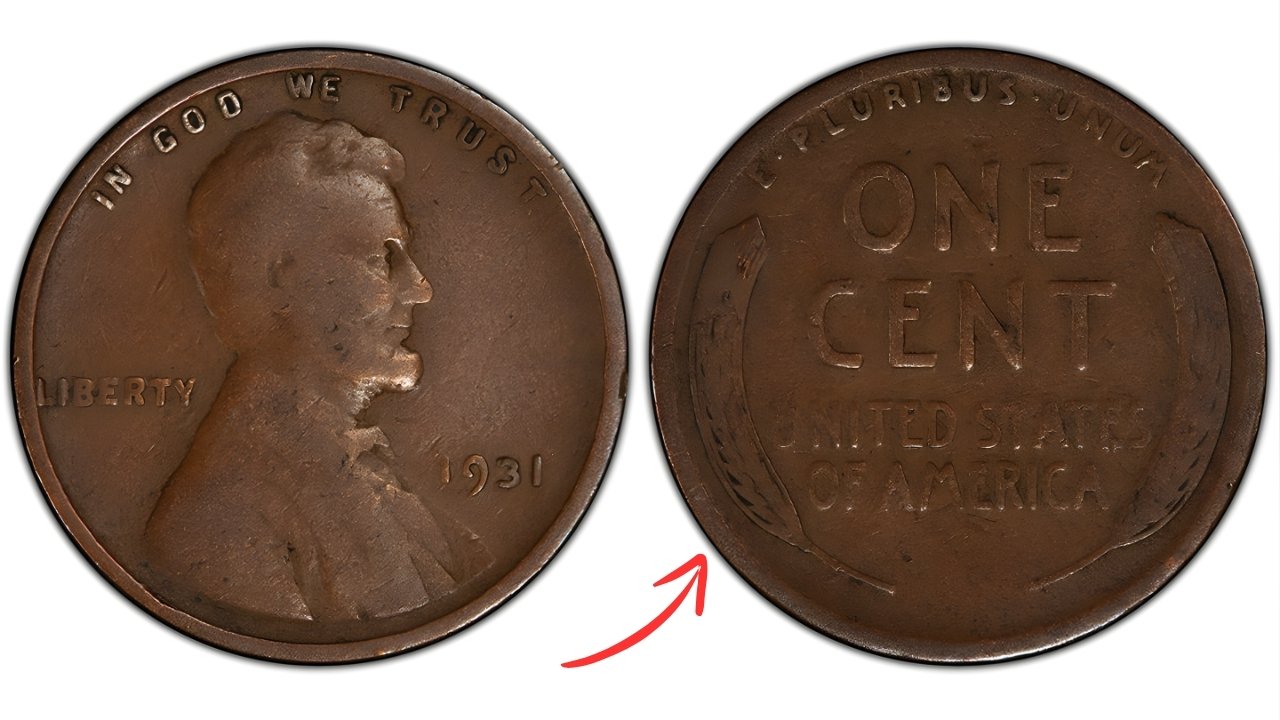
1931-S followed suit, San Francisco’s 866,000 mintage pushing circulated to $75, uncirculated $600+, scarcity amplified by survival rates.
Market trackers note red-brown hues boost bids 2-3x over browns, while full bands on wheat heads separate elite from average. eBay sales mirror guides, with patient graders unlocking liquidity via PCGS slabs.
Wartime Wonders and Steel Shortcuts
World War II flipped copper to zinc-coated steel in 1943, but rogue bronze planchets birthed ultra-rarities: $100,000+ for verified 1943 coppers, fewer than 20 known across mints.
Postwar 1944 steel mules reversed the flub at similar stratospheric levels, die paths crossing production lines in mint mayhem.
1955’s Doubled Die Obverse roared back, thick legends screaming error value—$1,000 circulated to $15,000+ MS67 reds, bold doubling unmistakable even to newbies. These standouts embody era quirks, from metal crunches to hubbing hiccups.
Key Dates Demanding Attention
Beyond headliners, 1914-S ($25-$10,000+), 1924-D ($835-$25,000+), and 1931-S anchor semi-key rosters, mintages under two million fueling demand.
Proofs dazzle too—1909 at $1,300, 1911-S climbing $3,000+ for cameos—low strikes under 1,500 yearly. Modern reds explode: 1926-D MS67RD at $29,000, color kings ruling high-end sales.
Varieties like 1919-S Double Die add twists, $475+ for attributed markers. Collectors cross-reference Cherrypickers’ Guide, magnification revealing clashes or repunched marks.
Grading and Market Forces in 2026
Condition dictates destiny—Poor-1 cents barely beat face value, but MS65+ rockets premiums exponentially. PCGS/NGC populations cap upside; under 100 graded gems scream rarity. Economic tailwinds lift all boats: copper at $4+/pound, hobby surge post-2025, drawing millennials to attics.
eBay averages track guides—1909-S VDB $695 raw, certified leaps—but fakes plague, demanding slabs. Local shows yield face buys, flips via auctions.
Spotting Sleepers in Circulation
Hunt teller trays for wheat ears, probe dates sans “D,” magnify VDB initials or fat 1955 lettering. Shun cleaners—original patina trumps shine. Estate jars brim potential; $10 face often hides $1,000+. Forums share macros, communities vet finds pre-grading.
Avoid melt laws protect coppers, but premiums preserve anyway. Patience pays—circulated keys hold, gems appreciate.
Value Lincoln Wheat Penny
Lincoln Wheat Pennies weave history into copper, where 1909-S VDBs, 1922 No Ds, and 1943 bronzes transform pocket lint into legacies worth thousands.
Also Read this – 2026 IRS Announces the funds of January – Check who is Eligible for this?
From Brenner’s vision to wartime flubs, these coins reward scrutiny, preservation, and savvy grading in 2026’s vibrant market. Raid that change jar, chase key dates, authenticate wisely—fortune often hides in plain sight, one wheat stalk at a time.