8 Rare Lincoln Wheat Penny : Coin collectors nationwide are buzzing over Lincoln Wheat Pennies, those humble copper icons from 1909 to 1958 that hide potential jackpots in grandma’s cookie jar.
Amid economic shifts under President Trump’s second term, these wheat-stalk reverses command premium prices at auction, with pristine errors fetching five figures or more.
Hobbyists scour bank rolls and estate sales, turning pocket change hunts into history-rich windfalls that beat inflation handily.
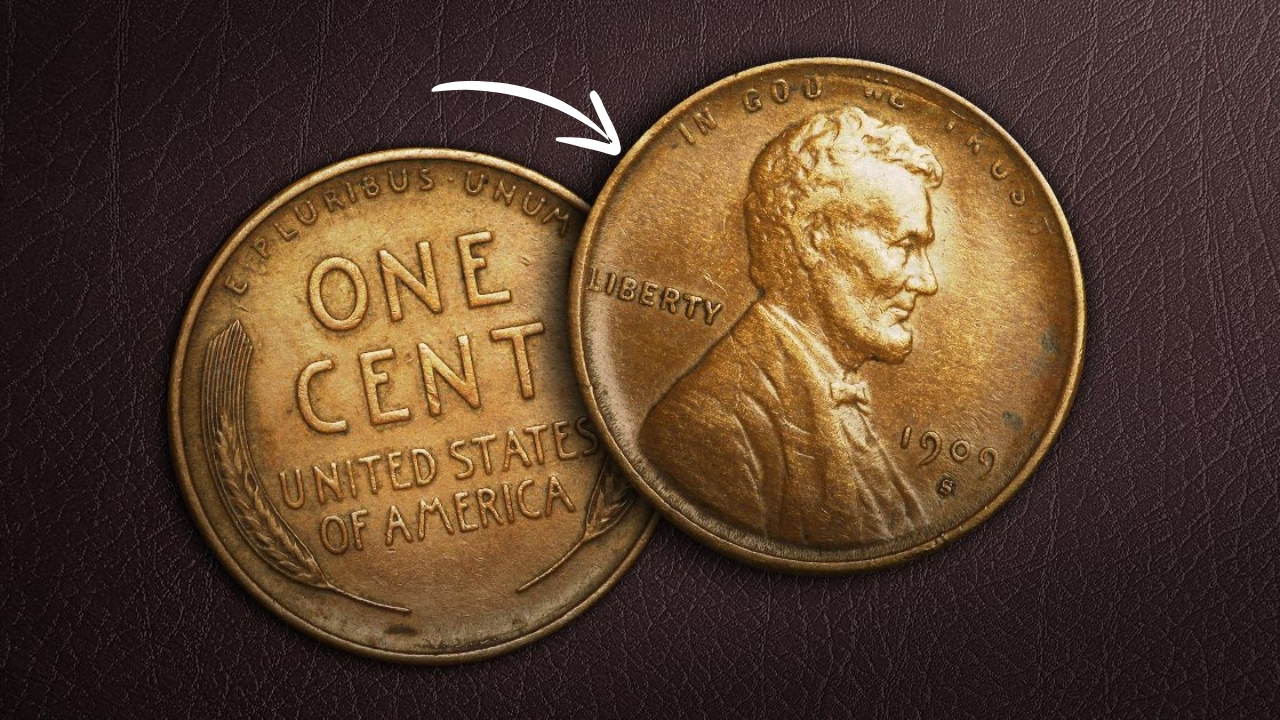
1909-S VDB: The Grail Penny Launchpad
Kicking off the Lincoln series with fireworks, the 1909-S VDB stands as the holy grail, minted in scant 484,000 pieces before Victor David Brenner’s initials sparked controversy and quick recall.
Today, mid-grade VF20 copies pull $800, while MS65 reds explode past $2,000 at Heritage Auctions. Fresh 2026 sales show one gem hitting $5,200, its frosty luster drawing deep-pocketed bidders.
Spot it by the tiny “VDB” under the bust—fakes abound, so PCGS slabs verify authenticity. A Florida estate sale find netted a collector $3,500 after grading, proving early Lincolns blend birth-of-series hype with true scarcity. Novices chase these over flashy moderns, as supply dwindles yearly.
1914-D: Denver’s Low-Mintage Marvel
Denver’s 1914-D cranks rarity up a notch with just 1.2 million struck amid wartime copper woes, bottling up high-grade survivors.
Circulated Fine12 examples nudge $300, but MS66 reds shatter $100,000 barriers—one crossed the block for $159,000 last fall. Condition rules here; even tiny bag marks tank values.
Hunters prize its semi-refined wheat details against Philly cousins. A Midwest dad pulled one from yard sale junk, flipping it for family vacation cash post-NGC review.
Trump’s collector incentives whisper more deals, luring boomers to unload albums profitably.
1922 No D: The Phantom Mint Mark Masterpiece
Gremlins at Denver birthed the 1922 No D, where worn dies erased the “D” mark on 500,000-plus coins, leaving ghostly traces under magnification.
VF gems fetch $1,000, MS64 browns $5,000-$10,000, with auction peaks at $50,000 for full-steps varieties. Rarity blooms from die abrasion, not low mintage.
Eagle-eyed searchers tilt coins at angles—bold sans-mark obverses scream value. YouTube flips rack views, like a Texas teen’s $4,200 score from grandma’s drawer. These errors remind: mint mishaps mint millionaires overnight.
1931-S: Depression-Era Diamond in the Rough
San Francisco’s 1931-S limped out at 866,000 amid Great Depression belt-tightening, capping supply for gem states. AG3 clinkers grab $60, AU55 $1,500, MS66 $25,000+. Luster pops on survivors, fueling 30% value jumps since 2025.
Key dates like this reward patient registry hunts—full bands on wheat heads signal elites. An Arizona collector nabbed MS65 for $12,000 at FUN show, reselling hotter amid gold rallies. Patience pays in key-date chases.
1955 Doubled Die Obverse: Iconic Error Icon
Philadelphia’s 1955 doubled die stole fame with its glaringly thick date and motto doubling, from a misaligned hubbing slip on 20,000-40,000 pieces. VF sells $1,200, AU $3,000, MS65RD $100,000—records nudge $125,000. Doubling thickens with grade, captivating spotters.
“Fat doubling” sets it apart from minor obverse shifts—check LIBERTY spacing. Viral TikToks boost finds, like a California kid’s $2,500 circulated score. This error headlines every beginner guide for good reason.
1943 Bronze: Wartime Wrong-Planchet Wonder
Steel pennies ruled 1943 for WWII copper savings, but a handful struck on rogue bronze planchets—maybe 20 known—rocket to $1.2 million in MS. Philly’s lone survivor graded MS52 sold $1.7 million in 2010; fresh finds could top that. Composition blunder births seven-figure lore.
Magnet test fails on these heavies—weigh 3.1 grams vs. steel’s 2.7. A Kentucky attic haul fetched headlines, underscoring transitional errors’ allure. Rarity plus history equals auction frenzy.
1944 Steel: The Flip-Side Freak Rarity
Conversely, 1944’s intended bronze slipped onto steel blanks mere dozens of times, mirroring ’43 bronze drama. MS63 examples chase $200,000, with fewer than 30 certified boosting premiums. Philly strikes dominate known pops.
Silver-gray sheen betrays them—non-magnetic cousins abound as fakes. A recent eBay raw sale sparked $150,000 grading buzz. War-year flubs fuel endless speculation.
1958 Doubled Die Reverse: Sleeper End-of-Series Surge
Closing wheat era, select 1958s flaunt doubled wheat lines and ONE CENT thickness from die shifts. MS65 reds hit $500-$2,000, scarcer than famed ’55. Modern detectors miss these subtle gems.
Magnify stalks—parallel doubling screams premium. Forums report upticks as estates empty, positioning it for breakout status.
Hunting and Preserving Wheat Penny Treasures
Dump jars at banks for rolls—target branch-wrapped originals. Loupes reveal doubling; avoid PVC flips harming copper. Slabs from PCGS/NGC unlock doors to major auctions, where 2026 gold strength lifts bids 15%.
Clubs host free IDs; apps scan dates instantly. Store in climate boxes, chase registries for fun.
8 Rare Lincoln Wheat Penny : Pennies to Prosperity Awaits
These 8 rare Lincoln Wheat Pennies transform forgotten folders into financial fireworks, blending mint magic with American grit in 2026’s collector renaissance.
Also Read this – $2,100 IRS Approved for these Citizens – Check the documents and qualifications
From VDB debuts to wartime whoopsies, each tells a tale worth thousands—or millions—to the vigilant. Grab a roll, hone your eye, and let copper history reward the relentless seeker amid tomorrow’s uncertainties.