2 Lincoln Wheat Penny : Coin collectors and everyday folks alike often dream of stumbling upon a hidden gem in their spare change.
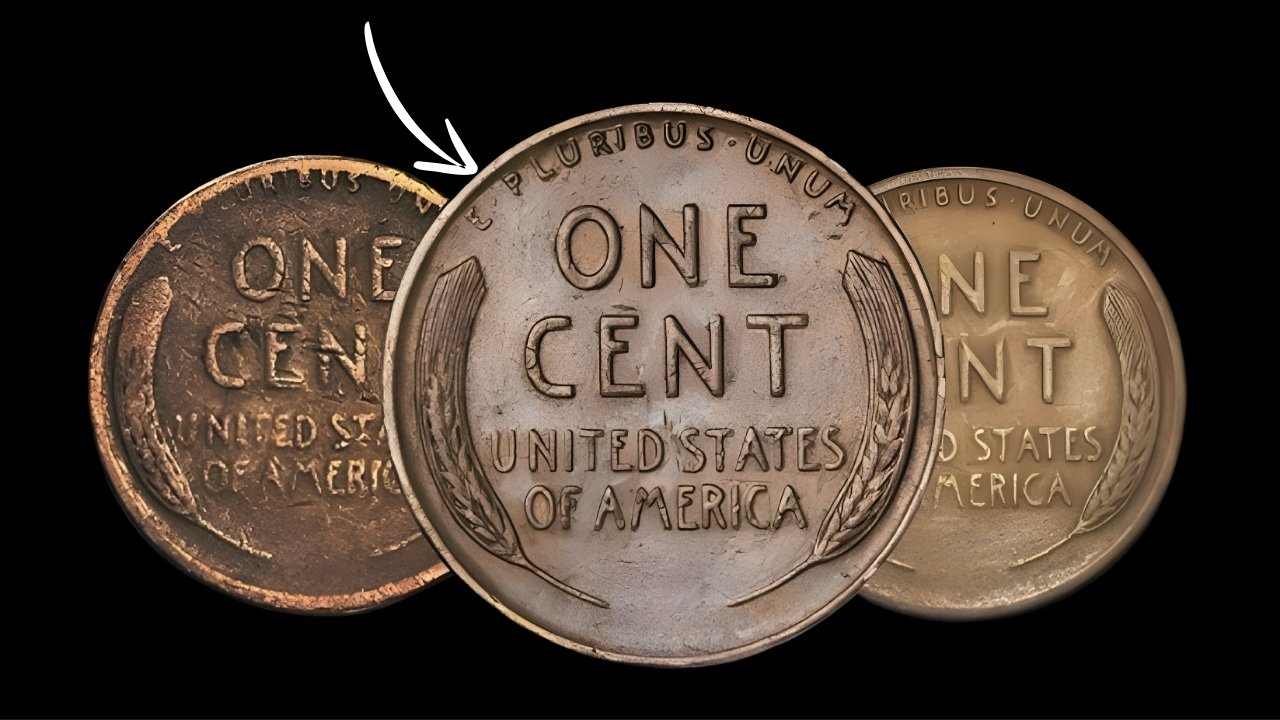
Among the most sought-after finds are certain Lincoln Wheat Pennies, those familiar one-cent pieces minted from 1909 to 1958 featuring Abraham Lincoln’s profile and wheat stalks on the reverse.
Recent market buzz highlights two standout varieties from this series that routinely fetch impressive sums at auction, drawing fresh attention in early 2026 as numismatic values climb amid economic uncertainty.
These aren’t just any pennies; their rarity stems from minting errors, low production runs, or wartime composition quirks that make them stand out from the billions produced.
For enthusiasts in the U.S. and beyond, spotting one could mean turning pocket lint into a small windfall, but authentication is key to realizing their true worth.
The Legendary 1909-S VDB Penny
Every serious collector knows the name: the 1909-S VDB Lincoln Wheat Penny. Struck at the San Francisco Mint in the very first year of the series, this coin bears the designer’s initials “VDB” (for Victor David Brenner) on the reverse, a feature that sparked controversy and led to its quick removal after just a few months. Only about 484,000 were minted, making it one of the lowest-mintage regular-issue Wheat Pennies ever produced.
In circulated condition, a decent example might trade hands for $600 to $800, but pristine uncirculated gems graded MS65 or higher have sold for $10,000 and beyond.
Recent eBay data shows ungraded specimens averaging around $695, while top-tier pieces hit $13,500 or more at major auctions.
The coin’s allure lies not just in scarcity but in its historical significance—marking Lincoln’s centennial and Brenner’s bold artistic statement amid public backlash over the initials, which some critics called “clutter.”
What elevates its status even further? Full red coloration and sharp strikes command premiums, with auction records pushing values into five figures.
Stories abound of grandparents’ jars yielding these treasures, only for owners to discover their worth after a casual appraisal. In 2026’s collector market, demand remains strong, fueled by nostalgia and investment appeal.
The Ultra-Rare 1955 Double Die Obverse
Fast-forward nearly five decades to the 1955 Double Die Obverse (DDO) Lincoln Wheat Penny, a minting mishap that created one of numismatics’ most dramatic error coins.
Produced at the Philadelphia Mint, this variety shows dramatic doubling in key legends like “LIBERTY,” Lincoln’s profile, and the date—effects of a misaligned die that shifted during hubbing.
Far fewer than the reported 20,000 reached circulation; true survivors number in the low thousands, many now slabbed by grading services like PCGS or NGC.
Circulated examples start at $1,000 to $1,500, but high-grade reds explode to $20,000, $40,000, or even higher for MS67 specimens.
Market trackers note recent sales aligning with these figures, underscoring the coin’s enduring hype since its discovery in the late 1950s. Unlike subtle errors, the 1955 DDO’s bold doubling is unmistakable to the trained eye, featuring fat, separated serifs that scream “rarity” even to novices.
This penny’s story captivates because it slipped past quality control into everyday change, only exploding in value decades later.
Modern replicas flood the market, so professional grading is non-negotiable. In today’s auction houses, these coins symbolize the thrill of the hunt, with values holding firm against inflation and collector influxes.
Why These Two Pennies Stand Out in 2026
Both the 1909-S VDB and 1955 DDO embody what makes Wheat Pennies collector magnets: historical context blended with tangible rarity.
The early 1909 issue represents the series’ ambitious birth amid design debates, while the 1955 error captures mid-century minting quirks during peak penny production.
Current pricing guides reflect a robust market, with ungraded sales providing entry points for modest collections, but certified coins dominating high-end sales.
Economic factors play a role too—rising precious metal prices and a surge in hobbyists post-pandemic have buoyed demand.
Online platforms like eBay report steady action, with savvy sellers netting premiums for accurately attributed pieces. Yet fakes abound, reminding hunters to scrutinize mint marks, die states, and toning under magnification.
Spotting and Authenticating Your Finds
Eager to check grandma’s coin jar? Start with the basics: for the 1909-S VDB, confirm the tiny “S” mint mark below the date and “VDB” near the rim on reverse.
The 1955 DDO demands close inspection of the doubled lettering—practice with genuine images online. Avoid cleaning, which slashes value; instead, seek local coin shops or shows for initial assessments.
Professional grading via PCGS, NGC, or ANACS adds credibility and liquidity, often multiplying worth tenfold.
Recent trends show values stabilizing post-2025 surges, but key dates like these rarely dip. Whether you’re a casual checker or serious stacker, these two pennies prove fortune favors the observant.
2 Lincoln Wheat Penny
The 1909-S VDB and 1955 Double Die Obverse Lincoln Wheat Pennies remain twin icons in American numismatics, blending history, error, and scarcity into coins that can transform a rainy-day fund.
While most Wheat Pennies circulate unnoticed at face value, these rarities remind us that everyday objects hold extraordinary potential—check your change, preserve condition, and consult experts to unlock their worth.
Also Read this – 2026 IRS Announces the funds of January – Check who is Eligible for this?
In 2026’s dynamic collector scene, they continue to inspire hunts that yield real rewards for those who know where to look.