Checks Payment : President Donald Trump’s bold promise of rebate checks funded by tariffs has millions of Americans buzzing with anticipation this January.
While whispers of $1,100 payments circulate on social media and news outlets, the reality hinges on congressional action amid economic pressures. Families from coast to coast are crossing their fingers for relief that could ease rising costs.
Trump’s Tariff Vision Takes Center Stage
Back in July 2025, Trump floated the idea of channeling tariff revenues into direct payments for taxpayers, echoing pandemic-era stimulus checks.
This “tariff dividend” concept quickly gained traction, with Senator Josh Hawley introducing the American Worker Rebate Act, proposing amounts from $600 to $2,400 based on family size and income.
Fast forward to early 2026, and White House economic adviser Kevin Hassett reiterated on CBS that a formal proposal would head to Congress soon, potentially drawing from taxes, tariffs, and other revenues.
The pitch resonates in a nation grappling with inflation shadows and holiday bills. Supporters argue it rewards everyday workers hit by imported goods’ price hikes, turning trade policy into pocketbook relief.
Critics, however, question the math—2025 tariff collections hit about $195 billion, per Treasury figures, falling short of the $300 billion needed for widespread checks.
Why $1,100? Rumors and Real Numbers
Social media exploded with $1,100 figures, possibly a midpoint from Hawley’s bill or misreported estimates for single filers.
No official amount locks in at that exact sum, but the buzz ties into Trump’s reelection vow of economic populism. Eligibility rumors target middle-income households, excluding high earners, much like COVID relief tiers.
Direct deposit users from past rounds hope for swift IRS delivery, as in 2020-2021 when billions flowed electronically.
Paper checks would lag for non-filers, prompting calls to update bank info via IRS portals. Yet, without legislation, this remains speculative—Hawley’s bill stalled in the Finance Committee last year.
Economic Hurdles Cloud the Outlook
Tariff revenues surged under Trump’s renewed trade wars, but experts at the Bipartisan Policy Center peg 2025 net gains at $194.9 billion—barely enough for modest payouts.
Supreme Court challenges to some tariffs add uncertainty, potentially slashing funds if struck down. Hassett stressed Congress holds the purse strings, needing an appropriations bill to unlock any checks.
Broader economy plays a role too. With January 2026 marking Trump’s first full year back in office, competing priorities like border security and tax cuts vie for dollars.
Inflation cooled slightly post-2025, but grocery and energy costs linger, fueling public demand for relief. Polls show 60% of voters favor such dividends if fiscally sound.
Public Reaction: Hope, Skepticism, and Stories
From Ohio factories to California suburbs, reactions split along familiar lines. A Detroit autoworker told local news, “Finally, something back from all these China tariffs—we’re paying the price at the pump.” Small business owners cheer potential boosts, eyeing reinvestment in inventory hit by duties.
Skeptics point to past stimulus debates, where partisan gridlock delayed aid. Progressive voices decry it as a gimmick favoring corporations via tax breaks over direct welfare expansion.
Online forums brim with eligibility checklists, from adjusted gross income under $75,000 to dependent counts boosting payouts.
Memories of 2021’s $1,400 checks linger vividly—families paid down debt, stocked pantries, spurring short-term growth.
Economists warn repeats risk inflation spikes, though targeted rebates minimize that. Social media amplifies urgency, with #TariffCheck trending nationwide.
Legislative Path Ahead: What’s Next?
Congress reconvenes this month, eyes on Finance and Ways committees for rebate bills. Hawley vows to refile, possibly tweaking for broader appeal. Trump teased details in a Mar-a-Lago speech, hinting at $1,000 base plus per-child adds—close to the $1,100 chatter.
Bipartisan buy-in seems slim; Democrats demand pairing with minimum wage hikes. If passed by spring, payments could hit accounts by summer, per IRS timelines. Until then, Americans watch C-SPAN and refresh news apps, blending optimism with caution.
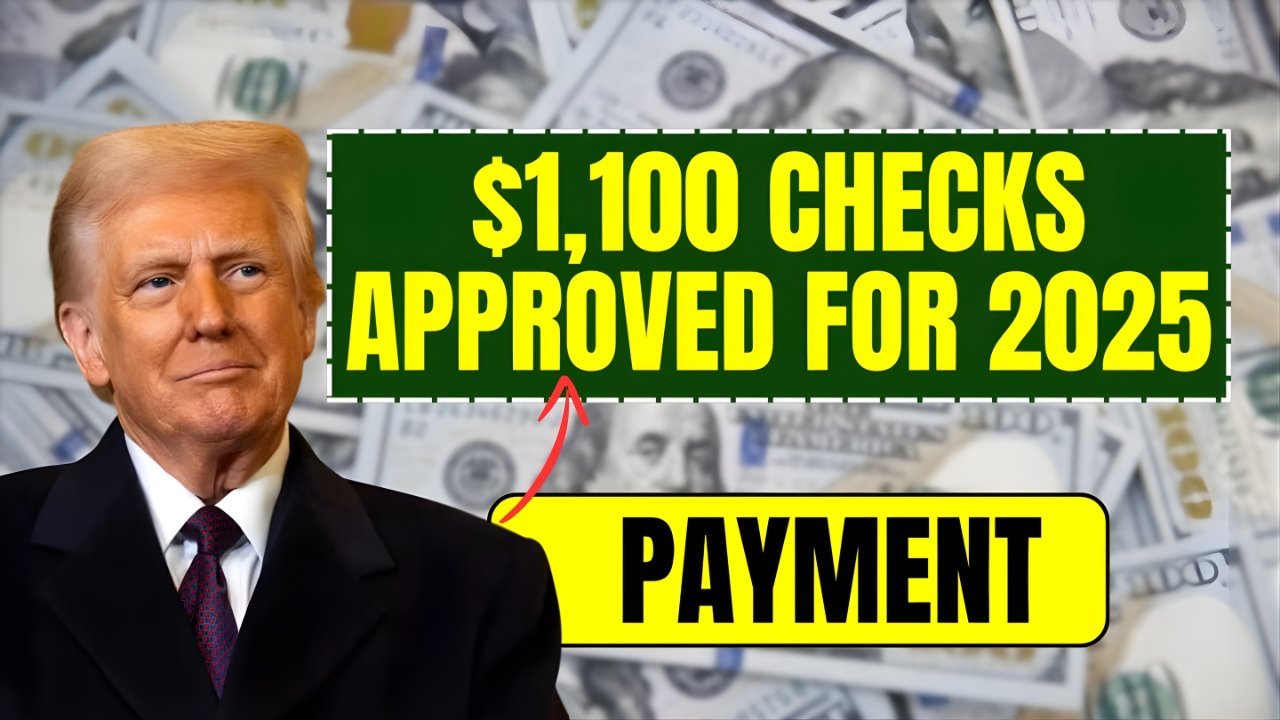
White House insiders leak optimism, citing tariff windfalls from Mexico and EU deals. Yet fiscal hawks like Rand Paul balk at deficits, pushing offsets via spending cuts. The dance continues, with midterms looming as leverage.
Voices from the Heartland
In rural Pennsylvania, single mom Sarah Jenkins shared her story with a Pittsburgh affiliate: “Two kids, rent up 20%—$1,100 would cover groceries for months.”
Tech worker Raj Patel in Austin muses, “Great if it happens, but I’ll believe it when Venmo dings.” These tales humanize the policy, grounding abstract numbers in daily struggles.
Community groups mobilize, urging petitions and calls to reps. Veterans’ outfits highlight GI Bill parallels, seeking priority for service families. The narrative shifts from policy wonkery to people’s ledger.
Checks Payment
As January 2026 unfolds, the $1,100 checks saga embodies Trump’s economic remix—aggressive trade meets taxpayer rebates.
Also Read this – This 1990 Rare Pennies are equal to million and still in market
No deposits yet, but momentum builds if Congress aligns. For now, millions hold breath, dreaming of that notification chime amid winter woes. Stay tuned; this story’s just heating up.