SNAP Payment : SNAP payments, the lifeline for millions of low-income families across the United States, are set to roll out soon in various states.
With President Donald Trump’s administration emphasizing fiscal responsibility alongside support for vulnerable populations, these benefits remain a cornerstone of food security programs.
Understanding the Buzz Around SNAP Distributions
Families relying on the Supplemental Nutrition Assistance Program have been eagerly awaiting confirmation on January 2026 payouts.
Recent reports confirm that payments are indeed coming, debunking rumors of program cuts or eliminations that circulated late last year.
State agencies coordinate with federal guidelines to stagger distributions, ensuring smooth access to EBT cards loaded with funds for groceries.
This timing aligns with broader economic shifts, including inflation adjustments that slightly tweak maximum allotments. For instance, a household of four might see up to $994 monthly, reflecting cost-of-living realities without dramatic overhauls.
Whispers of work requirements for able-bodied adults have sparked debates, particularly for those over 50, but exemptions keep the program accessible for seniors and caregivers.
State-by-State Rollout: Mark Your Calendars
Distribution schedules vary widely to manage administrative loads and prevent system overloads.
In Alabama, expect funds from the 4th to the 23rd; Alaska kicks off early from the 1st to the 10th. Arizona and Arkansas follow similar windows, with California and Colorado also starting January 1st through the 10th.
Further east, Connecticut wraps up quickly by the 3rd, while Florida stretches to the 28th based on case numbers. Georgia’s window spans the 5th to 23rd, and Hawaii hits the 3rd precisely.
These patterns repeat nationwide: Idaho, Oklahoma, and South Carolina from the 1st to 10th; Massachusetts and Mississippi later in the month.
Northern states like Michigan (3rd to 21st) and Minnesota (4th to 13th) keep recipients informed via local portals.
New Yorkers get theirs from the 1st to 14th, Pennsylvania from the 3rd to 14th, and Texas mirrors Florida’s extended timeline. No state escapes the net— even territories like Guam start on the 1st.
Changes and Challenges Shaping 2026 Benefits
The Trump administration’s approach blends continuity with tweaks, tapping contingency funds when needed, as seen in past disruptions.
New federal rules introduce modest work mandates, but older adults can qualify through volunteering or job training without full-time hurdles.
Eligibility hinges on income thresholds, household size, and assets, with automatic adjustments for inflation. Critics argue for expansions amid rising grocery prices, yet proponents highlight self-sufficiency goals.
Ongoing waivers even experiment with purchase restrictions on soda or candy in select areas, aiming to maximize nutritional impact.
How to Prepare: Tips for SNAP Recipients
Check your state’s human services website or app for exact dates tied to your case number or last name. Update contact info to avoid delays—many agencies send text alerts now. If funds don’t appear, hotlines stand ready; most issues resolve within days.
Plan grocery hauls wisely: focus on staples where SNAP stretches furthest, like produce and proteins. Community food banks often supplement during transition weeks. For new applicants, online portals streamline approvals, often within 30 days.
Rumors vs. Reality in the Current Landscape
Social media buzzed with false claims of SNAP’s demise, but official sources confirm continuity.
No blanket cuts loom; instead, targeted efficiencies prevail under the reelected president’s watch. This stability reassures the 40 million-plus users who depend on it yearly.
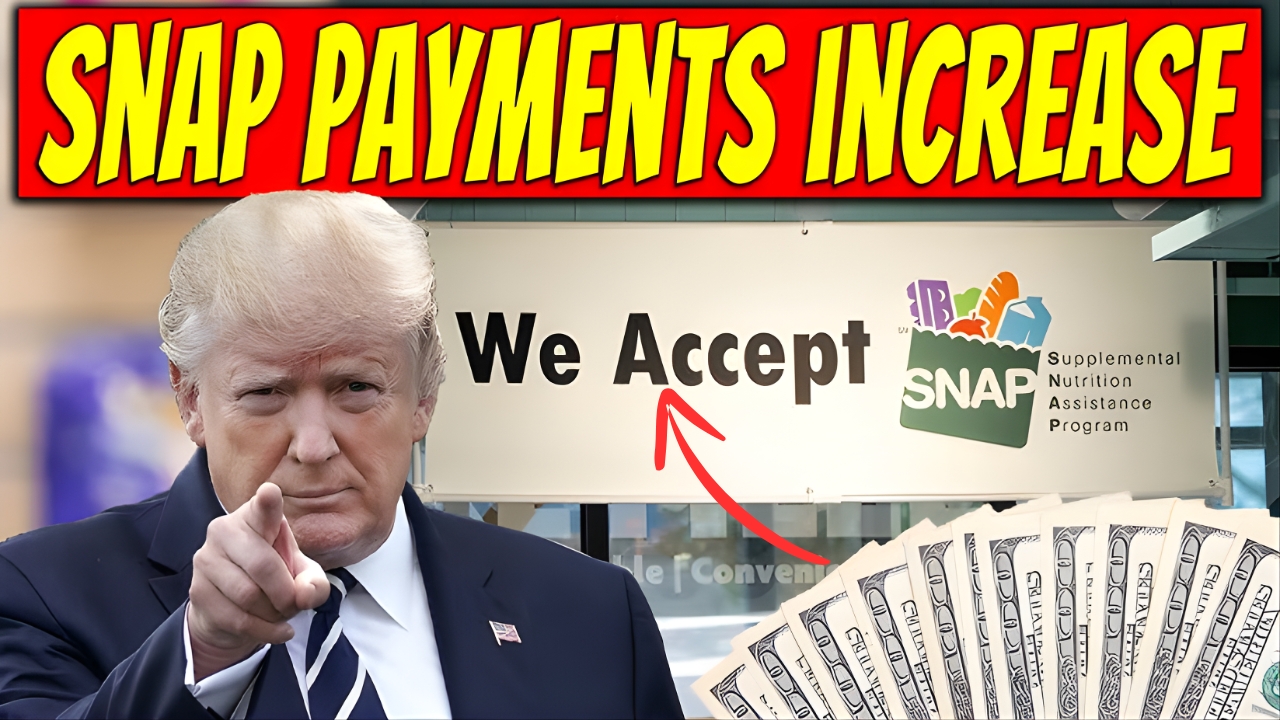
Economic pressures from 2025 linger, yet payments proceed as scheduled. Families in Sonipat-like global contexts might draw parallels to aid programs worldwide, underscoring universal needs.
Navigating Work Requirements for Older Adults
Seniors over 50 face nuanced rules: exemptions for disability or caregiving persist, but light work or community service counts.
States offer training programs, blending support with encouragement. This balances compassion and accountability in Trump’s vision.
Resources abound—local offices host workshops. Compliance keeps benefits flowing uninterrupted.
The Bigger Picture: SNAP’s Role Today SNAP Payment
As January 20, 2026, unfolds, payments inch closer, bolstering household budgets. This program, born from the 1960s War on Poverty, evolves yet endures. Amid policy debates, its core mission—combating hunger—holds firm.
In conclusion, SNAP payments are coming soon, with state-specific dates ensuring broad access.
Also Read this – These 4 Yoga Poses for Back Pain for Sitting whole day
Stay informed, prepare ahead, and leverage exemptions where applicable. This reliable support continues weaving security into American lives, adapting to new eras without faltering.