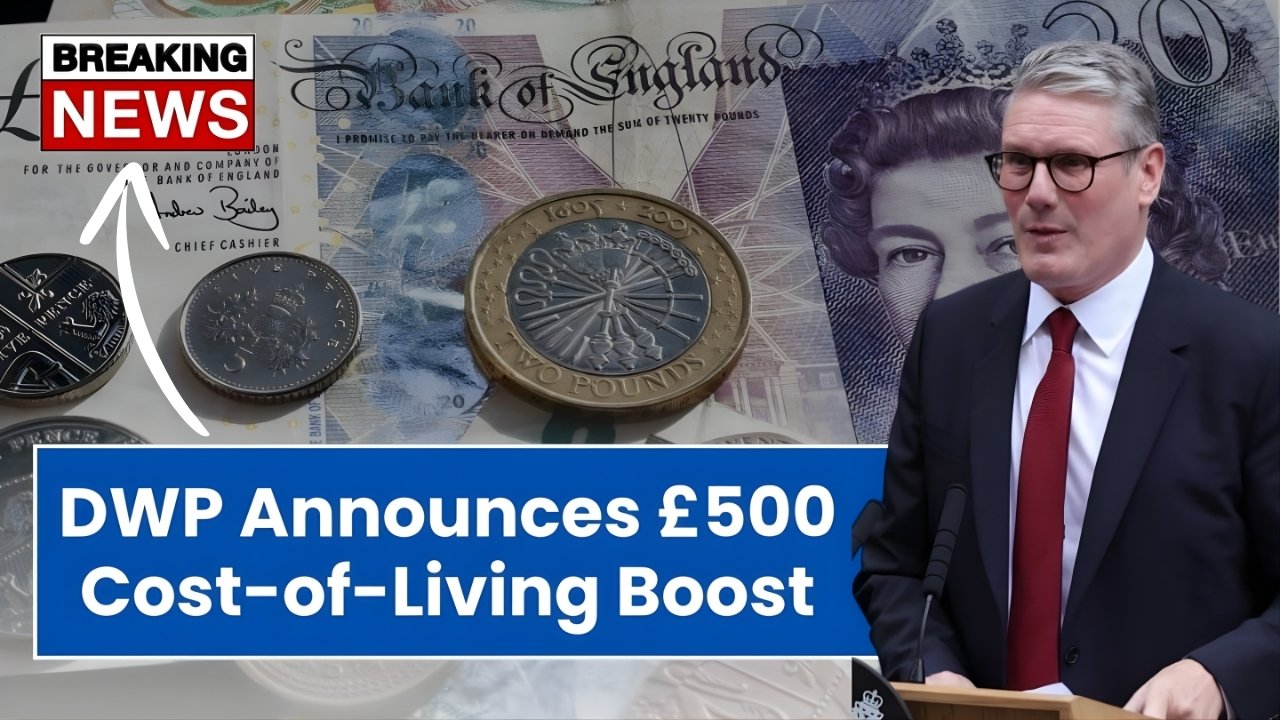
DWP Payment : Talk of a £500 one-time payout from the Department for Work and Pensions has families up and down the country glued to their inboxes and bank apps this January.
Social media feeds overflow with claims of automatic deposits landing soon to battle soaring energy bills and grocery squeezes, painting it as a lifeline straight from Westminster.
Yet amid the excitement, official channels paint a murkier picture of local aid and frozen rates, leaving many wondering if the cash will truly materialize.
Cost of Living Echoes Old Schemes
Whispers of this £500 drop trace back to earlier cost-of-living boosts that blanketed eligible homes from 2022 through 2024, dishing out £301, £500, even £900 per household on top of Universal Credit or Pension Credit.
Folks recall those texts and letters like yesterday, funds hitting accounts unannounced to cover winter chills or summer spikes.
Now, with inflation stubborn at 2.5% and energy caps jumping 10%, calls for a 2026 encore grow louder from backbench MPs and food bank queues.
The narrative casts it as targeted relief for the squeezed middle and vulnerable, not a universal handout. Campaigners point to food parcel demand up 37% year-on-year, arguing £500 buys a month’s warmth or a stocked fridge.
Government insiders nod to fiscal squeezes post-Truss-era chaos, hinting Treasury coffers strain under debt interest topping £100 billion annually. Still, viral posts promise “automatic” for anyone on benefits, blurring lines between hope and hype.
Eligibility Tied to Existing Benefits
Qualifying hinges on pulling qualifying DWP strings—Universal Credit families under income floors, Pension Credit elders, Jobseeker’s Allowance claimants, or tax credit households.
No fresh applications needed for most; DWP matches records and pings banks directly, much like past rounds. Disabled folks on PIP or ESA-linked aid reportedly top the list, with local councils tweaking rules for tenants in arrears.
Pensioners snag priority, their state payouts frozen sans triple lock drama until April. Working poor with kids qualify easiest, thresholds floating around £1,200 monthly earnings.
IT experts warn of data mismatches delaying funds—update details via GOV.UK pronto. Excluded gig workers or self-employed gripe loudest, petitions circling 200,000 signatures for wider nets.
Payment Windows Spark Speculation
Word on the street pegs mid-January rollouts, phased by benefit type: UC first week, pensions mid-month, ESA tails late.
Bank holidays shuffle dates, but direct debit setups speed it—cheque laggards wait longer. Councils like Camden dangle up to £500 for council tax distress, residency-locked but benefit-blind, a patchwork quilt of relief nationwide.
Scots, Welsh, and Northern Irish point to devolved pots—Scotland’s council tax freezes, Wales’ discretionary funds—muddying the “DWP £500” brand.
Fact-checkers debunk blanket claims, past payments capped at verified qualifiers. Apps crash under queries, helplines jam with “when’s mine?” pleas from anxious claimants.
Political Hot Potato Heats Up
Labour’s frontbench dodges firm pledges, citing Autumn Statement voids while eyeing spring budgets. Tories tout past largesse totaling £11 billion, defending freezes against migrant costs and defense hikes.
SNP pushes universal basics income trials, framing £500 as sticking plaster on gaping wounds. Backbench rebels leak cabinet splits—Chancellor wants means-testing tighter, leveling-up czars demand northern boosts.
Polling shows 68% back one-offs, crossing party lines as winter bites. Food poverty stats—14% kids in hunger—fuel op-eds slamming inaction.
Influencers peddle “claim now” links to scams, FTC-style warnings echo from MoneyHelper urging bank freezes on suspect hits.
Scams Shadow the Support
Phishing emails mimic DWP logos, begging National Insurance numbers for “verification.” Fake sites tally millions in clicks, harvesting logins for mule drains.
Action Fraud logs 5,000 hits weekly, victims losing £200 averages on upfront “fees.” Community centers host scam-busting sessions, elders hardest hit sharing details at bingo halls.
Advisors preach patience: real DWP drops silent, no calls chasing. Journal your expected date via personal account logins, report ghosts to 0800 lines. One Manchester mum’s £1,000 fraud tale went viral, sparking neighbor watch nets.
Broader Benefits Landscape Shifts
Frozen rates sting—Universal Credit standard allowances hold at £393 weekly, pensions £221.20 new state tier sans full lock.
April whispers promise 2.8% bumps, but arrears clearance drags for 200,000 bedroom tax sufferers. Disability shake-ups loom, reassessments spiking amid mental health pleas.
Local welfare pots—£200 million ringfenced—empower councils creatively, from supermarket vouchers to fuel codes. Charities bridge gaps with winter fuel pilots, targeting over-65s dodging means tests. Voices from Trussell Trust demand permanence over panic payments.
Future Funds Face Fiscal Fog DWP Payment
Spring Budget looms as verdict day, growth forecasts tepid at 1.2% GDP. Reeves eyes tax tweaks, inheritance thresholds maybe easing for family farms.
DWP modernization promises faster claims, AI flagging fraud sans human grind. Claimants dream monthly £100 pilots, 2021-style nostalgia clashing with deficit hawks.
Household debt ticks 28% disposable income, credit cards maxed on basics. £500 tales inspire budget planners penciling windfalls, grocery swaps for deals reigning meantime.
Also Read this – Top 5 Rare Wheat Penny Coins worth is $1,5789 USD each – Still in Circulation
The £500 DWP payment buzz captures Britain’s gritty resilience amid relentless rises, blending aid hopes with scam savvy.
Whether it lands or legends, vigilance and voice shape tomorrow’s safety nets—check records, shun shadows, and push for policies that stick.